
• Home
  • Global Service
  • HighPrecision MedicalGrade Silicone Tube Solutions for Japan’s Healthcare Industry

High-Precision Medical-Grade Silicone Tube Solutions for Japan's Healthcare Industry

Engineering superior elasticity and biocompatibility to meet the rigorous quality standards of the Japanese medical and industrial sectors.

High-Precision Medical-Grade Silicone Tube Solutions for Japan's Healthcare Industry

Providing cutting-edge extruded silicone components that adhere to the strict PMDA regulations and JIS standards required for advanced manufacturing in Japan.

The Landscape of Silicone Manufacturing in Japan

Analyzing the intersection of precision engineering and material science in the Asia-Pacific hub.

Japan's rubber and plastics industry is characterized by an unwavering commitment to "Monozukuri" (the art of making things). In the current market, there is a surging demand for Extruded Silicone Tube products that can withstand extreme temperature fluctuations and maintain tight tolerances, especially for the automotive and robotics sectors in Aichi and Kanagawa.

The aging population in Japan has accelerated the adoption of advanced healthcare technologies, placing a premium on Medical-Grade Silicone Tube. The market now demands materials that are not only biocompatible but also optimized for minimally invasive surgical devices, requiring a level of purity that exceeds standard global benchmarks.

Furthermore, the Japanese consumer market is shifting toward sustainable living, driving the replacement of single-use plastics with durable alternatives like the Silicone Straw. This trend is heavily influenced by urban environmental policies in Tokyo and Osaka, where eco-friendly materials are now a corporate mandate for the hospitality industry.
Evolution of Silicone Extrusion Technology

From traditional molding to intelligent automated extrusion processes.

Market Development History

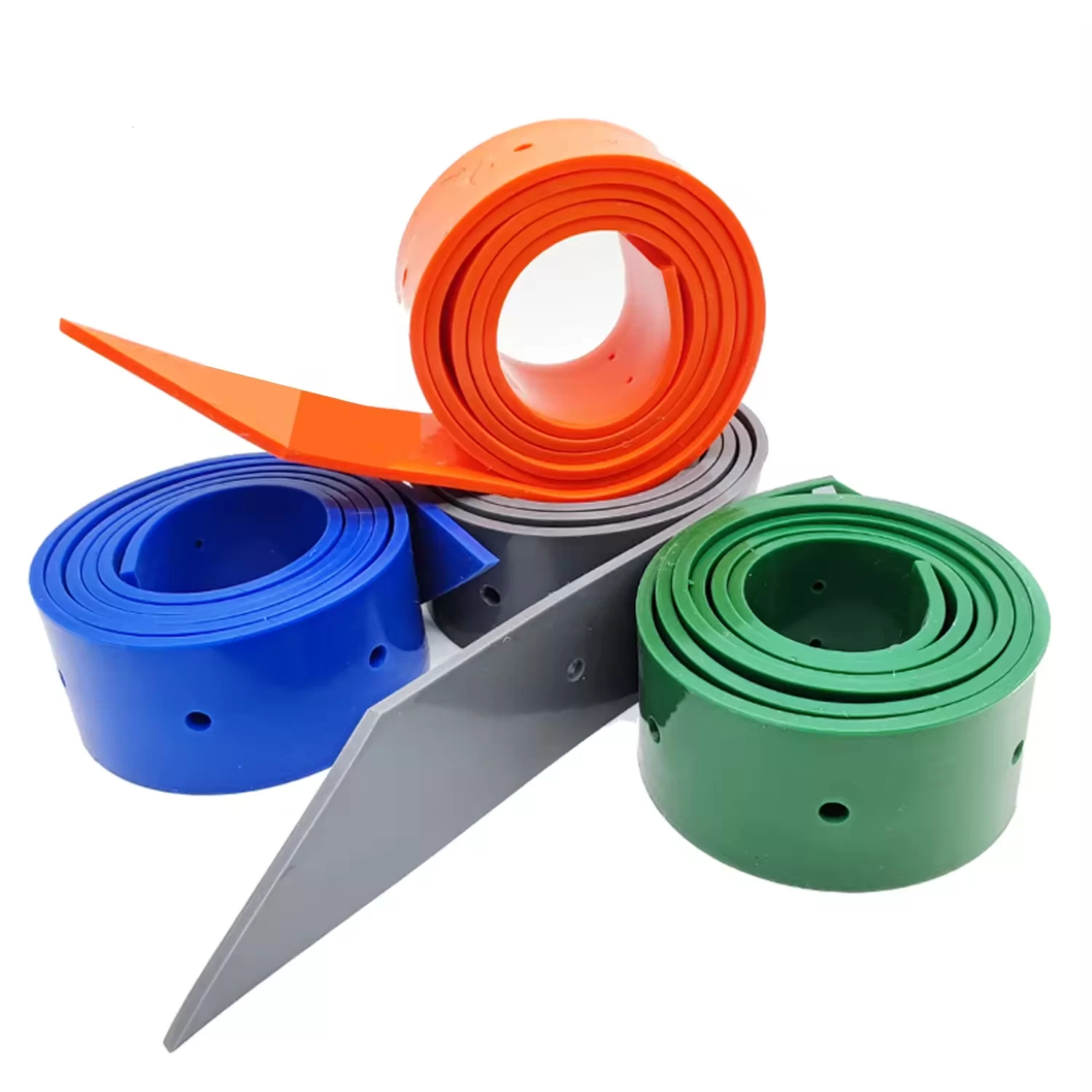
In the late 20th century, Japan's silicone industry focused primarily on basic industrial seals and gaskets. The early 1990s marked a transition toward specialized Silicone Door Strip technology to improve energy efficiency in residential buildings, responding to the nation's strict energy-saving laws.

By the 2010s, the integration of clean-room manufacturing allowed for the mass production of Food-Grade Silicone Tube. This era saw a shift toward platinum-cure systems, eliminating the volatile by-products associated with peroxide curing, which was essential for Japan's strict food safety regulations.

Entering the 2020s, the industry has moved toward "Smart Extrusion," utilizing AI-driven diameter control and real-time laser monitoring to ensure that every millimeter of tubing meets the exacting specifications of Japan's high-tech medical device manufacturers.

Future Development Trends

Nano-Composite Integration

The next wave of innovation involves integrating nano-fillers into silicone matrices to enhance thermal conductivity and mechanical strength without compromising flexibility.

Biodegradable Hybrid Polymers

Research is pivoting toward hybrid silicone-organic materials that maintain the performance of silicone but offer improved end-of-life recyclability to meet Japan's 2050 carbon-neutral goal.

Automated Micro-Extrusion

A trend toward ultra-thin wall thickness for wearable medical sensors, requiring extrusion precision at the micron level.

Future Trends and Strategic Outlook

Navigating the next 5 years of material science innovation in Japan.

Sustainable Materiality
Transitioning to bio-based silicone precursors to reduce dependence on silica-mining and align with Japan's green economy.
Precision Automation
Implementing 6G-connected sensors in extrusion lines for zero-defect manufacturing in the medical sector.
Advanced Biocompatibility
Developing anti-microbial silicone surfaces to prevent biofilm formation in long-term medical implants.
Customized Geometry
Utilizing 3D-printed molds for rapid prototyping of complex silicone profiles for robotics.

Industry Outlook

Google search trends in Japan indicate a significant rise in queries related to "Medical Silicone Quality" and "Eco-friendly Polymers," suggesting that the market is moving away from generic commodities toward high-value, certified materials. We expect the demand for platinum-cured silicone to grow by 15% annually.

Strategic success in the Japanese market will depend on the ability to provide comprehensive documentation (TDS, MSDS) and traceability, as the "Zero Defect" culture continues to dominate the procurement process in the manufacturing hubs of Asia.

Localized Application Scenarios in Japan

Practical implementations of silicone technology across diverse Japanese industries.

01. Advanced Medical Device Integration

Implementing Medical-Grade Silicone Tube in dialysis machines and ventilators produced in Japan, ensuring strict biocompatibility and sterilization resistance.

02. High-End Culinary Equipment

Using Food-Grade Silicone Tube for precision dosing systems in Tokyo's high-tech confectionery and beverage industries, meeting strict hygiene standards.

03. Automotive Noise Reduction

Deploying high-durability Silicone Door Strip in luxury vehicle manufacturing in Nagoya to minimize NVH (Noise, Vibration, Harshness) for premium ride quality.

04. Sustainable Urban Consumption

Supplying the Silicone Straw to eco-cafes across Shibuya and Shinjuku, replacing plastic waste with a reusable, BPA-free alternative.

05. Industrial Robotics Sealing

Utilizing Extruded Silicone Tube for flexible cable conduits in humanoid robotics, allowing for high-cycle fatigue resistance in joint movements.

Brand Story

Global Development History of Shenzhen Guangyufeng Rubber Products Co., Ltd.

Founding Vision

Established with the mission to bridge the gap between industrial rubber capabilities and the high-precision needs of the global medical sector.

Technical Breakthrough

Mastered the platinum-cure extrusion process, enabling the production of ultra-pure silicone components that meet FDA and EU standards.

Asia-Pacific Expansion

Expanded operations into the Japanese market, establishing a reputation for precision and reliability among top-tier automotive suppliers.

Quality Certification

Achieved ISO 13485 certification, cementing our role as a trusted partner for the global medical device industry.

Future Commitment

Investing in green chemistry and AI-driven manufacturing to lead the transition toward sustainable silicone production.

Complete Silicone Portfolio for the Japanese Market

A comprehensive range of high-performance silicone solutions tailored for Japan's industrial standards.

Common Questions for Japan's Rubber Industry

Technical insights and compliance guides for silicone procurement in Asia.

How does your Medical-Grade Silicone Tube comply with Japanese PMDA standards?

Our products are manufactured in ISO 13485 certified clean rooms and undergo rigorous biocompatibility testing to ensure full alignment with PMDA and USP Class VI requirements.

What is the typical tolerance for Extruded Silicone Tube in precision robotics?

We utilize laser-monitored extrusion to maintain wall thickness tolerances as tight as +/- 0.05mm, meeting the precision needs of Japanese robotics hubs.

Can Food-Grade Silicone Tube withstand high-temperature autoclaving?

Yes, our food-grade silicone is platinum-cured and can withstand continuous exposure to temperatures up to 200°C and repeated autoclave cycles without degrading.

How is the Silicone Door Strip designed for Japan's seismic-prone architecture?

Our strips are engineered with high recovery elasticity to maintain an airtight seal even after structural shifts, enhancing energy efficiency in modern Japanese buildings.

Is the Silicone Straw available in custom sizes for corporate branding in Tokyo?

We offer full customization of lengths, diameters, and colors to meet the branding requirements of premium Japanese hospitality chains.

What are the lead times for custom silicone extrusion orders to Japan?

Depending on the complexity of the profile and volume, lead times typically range from 2 to 4 weeks, including quality inspection and logistics.

Consult Our Silicone Experts

Partner with the leading provider of precision rubber solutions for the industrial and medical sectors in Japan.

Contact Us Now